
NT855-C450 Industrial Application Engine
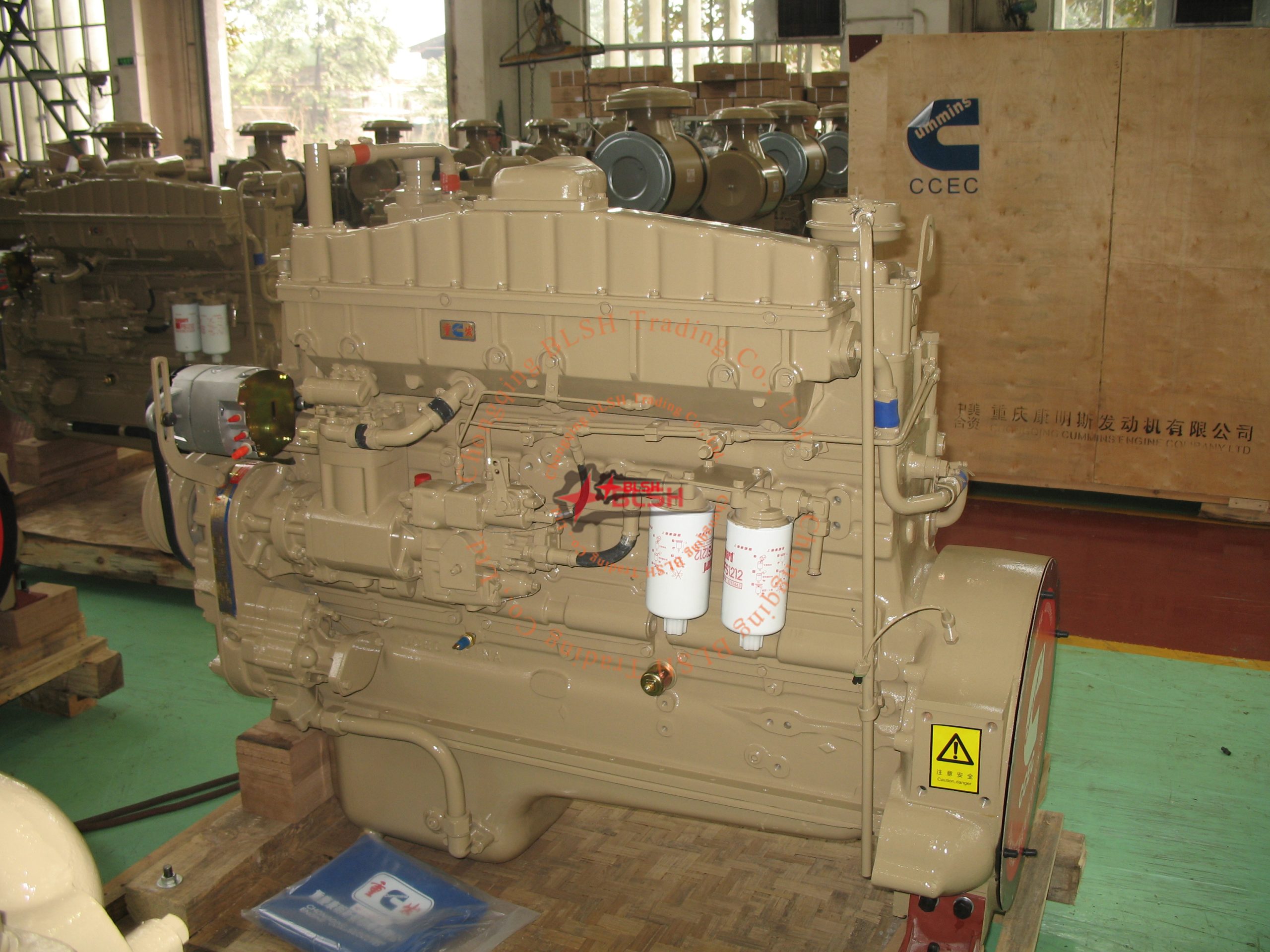
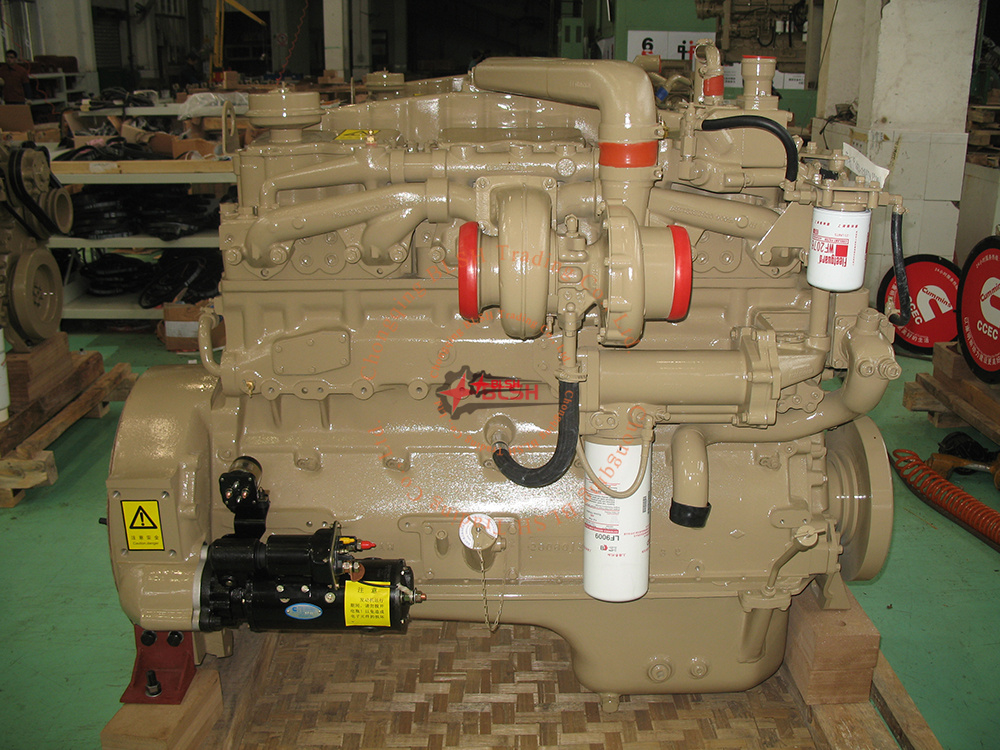
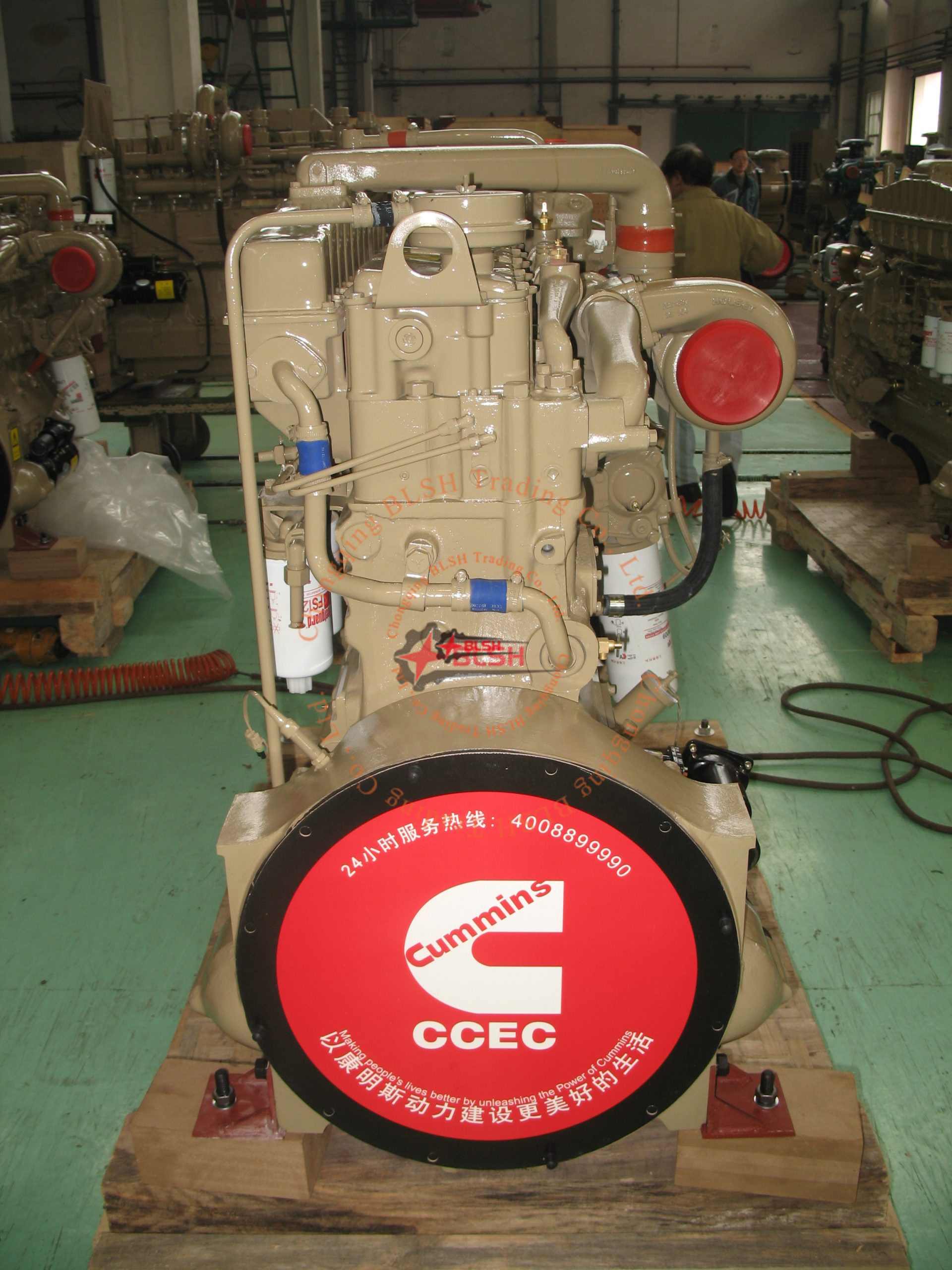
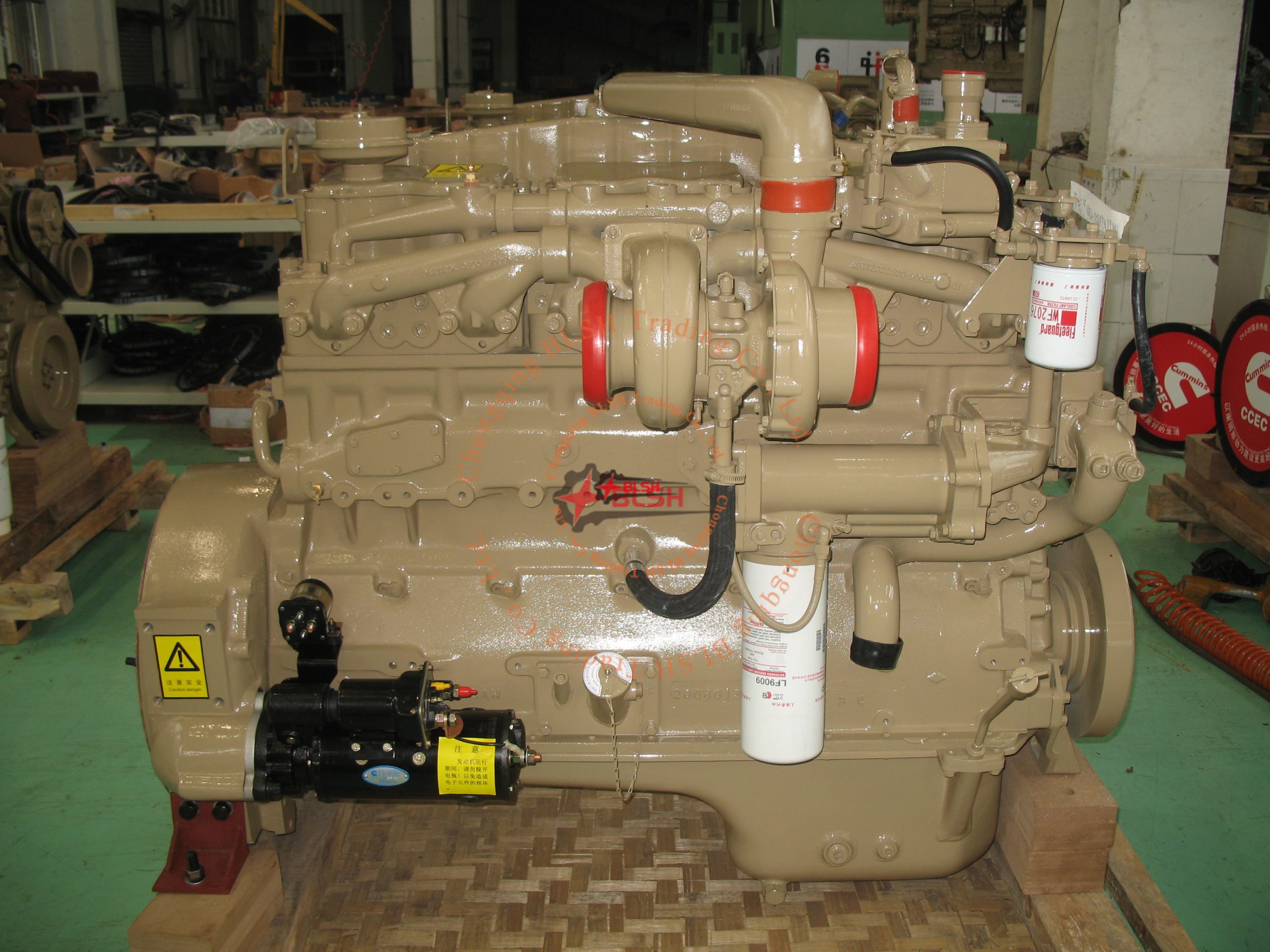
| Engine Model | NT855-C450 |
| Maxi. Rating | 450HP @ 2100 RPM |
| Compression Ratio | 13.9 : 1 |
| Type | 4 Cycle, 60° Vee; 6 Cylinder |
| Fuel System | PT |
| Aspiration | Turbocharged & Aftercooled |
| Emission Standard | Euro II |
| Displacement | 14 L |
| Bore * Stroke | 140 mm × 152 mm |
| Packing Size (L * W * H) | 2151 mm * 966 mm * 1704 mm |
| General Infomation of CCEC NTA855-C450 Industrial Engine | |||
| Engine Model | NTA855-C450 | Standby Power | N/A |
| Maxi. Rating | 450 HP @ 2100 RPM | Emission Standard | N/A |
| Curve & Datasheet | C-4428-A | Peak Torque | 1831 N.m/1400r/min. |
| Compression Ratio | 13.5 : 1 | Displacement | 14 L |
| Type | 4 Cycle , 6 Cylinder | Bore * Stroke | 140 mm × 152 mm |
| Fuel System | PT | Moment Of Inertia Of Rotating Parts | 1.4 kg·m² |
| Configuration | N/A | Aspiration | N/A |
| Engine NTA855-C450 quality – Dry Weight | 1305 kg | Engine NTA855-C360 quality – Wet Weight | 1348 kg |
| Engine NTA855-P450 quality – Dry Weight | 1870 kg | Engine NTA855-P360 quality – Wet Weight | 1979 kg |
| Engine NTA855-L450 quality – Dry Weight | N/A | Engine NTA855-L360 quality – Wet Weight | N/A |
| CPL Code Revision | 1193 | Firing Order | 1-5-3-6-2-4 |
| Performance Data of CCEC NTA855-C450 Industrial Engine | |||
| Engine Idle | 625 r/min | Maximum Idle Engine Speed | 2400 r/min |
| Maximum Overspeed Capacity | 2700 r/min | Minimum Cold Start Temperature Without Cold Start | 4 ℃ |
| Minimum Starting Speed Required Without Cold Starting | 150 r/min | ||
| Engine Performance Data CCEC NTA855-C450 Industrial Engine | ||||
| standard running conditions | ||||
| Maximum Power Point | Maximum Torque Point | |||
| Engine Speed | 2100 r/min | 1400 r/min | ||
| Total Output Power | 336 kW | 268 kW | ||
| Torque | 1525 N.m | 1831 N.m | ||
| Standard Fuel Line Supply Pressure | 1039 kPa | |||
| Intake Manifold Pressure | 176 kPa | |||
| Mean Effective Pressure | 1365 kPa | 1575 kPa | ||
| Average Piston Speed | 10.7 m/s | |||
| Friction Power | 53 kW | 29 kW | ||
| Inlet Flow | 519 L/s | 324 L/s | ||
| Extraction Flow | 1313 L/s | 966 L/s | ||
| Discharge Temperature | 540 ℃ | 667 ℃ | ||
| Heat Dissipation Of Coolant | 219 kW | 173 kW | ||
| Engine cooling water flow | 9.2 L/s | 6.6 L/s | ||
| Scopes of Supply of CCEC NTA855-C450 Industrial Engine | ||||
| Fuel System | 1. Fuel Transfer Pump | Exhaust System | 1. Exhuast Manifold | |
| 2. High-Pressure Fuel Pump | 2. Turbocharger | |||
| 3. Fuel Filter | 3. Exhuast Elbow | |||
| Air Intake System | 1. Air Intake Manifold | Starting System | 1. Starter Motor | |
| 2. N/A | 2. Starter Relay | |||
| Cooling System | 1. Water Pump | Power Output System | 1. Flywheel | |
| 2. Engine Fan | 2. Standard Flywheel Housing | |||
| 3. Standard Radiator | 3. N/A | |||
| Lubricating System | 1. Oil Pump | Charging System | 1. Charging Alternator | |
| 2. Oil Filter | 2. N/A | |||
| Engine Shut-Down System | 1. Engine Fuel Shut-Off Solenoid | Engine Mounting System | 1. Engine Mounting Bracket | |
| Engine Auiliary Accessories | 1. Air Compressor | |||
NT855-C450 Product Advantages
Outstanding Performance
- Advanced PT fuel system with ultra-high injection pressure ensures optimal fuel atomization and complete combustion.
- High-efficiency Cummins turbocharger enhances air intake, improving engine efficiency. The pressure pulse exhaust manifold fully utilizes exhaust energy to further optimize combustion, boost low-load efficiency, and reduce specific fuel consumption.
- High torque, powerful performance, rapid transient response, and superior torque reserve.
Exceptional Durability
- High-strength integrated design of cylinder block and head minimizes failure rates, ensuring long-lasting performance and proven reliability.
Superior Reliability
- Cummins’ advanced PT fuel system features unique overspeed protection, low-pressure fuel supply, and simplified piping for reduced failure rates. Engineered with exceptional overall design for unparalleled reliability.
Easy Maintenance
- Modular design with compact, block-based integration enables detachable and reusable components. Shared platform design ensures high parts commonality across models.