DCEC Cummins QSB3.9-C125-30 Industrial Application Engine
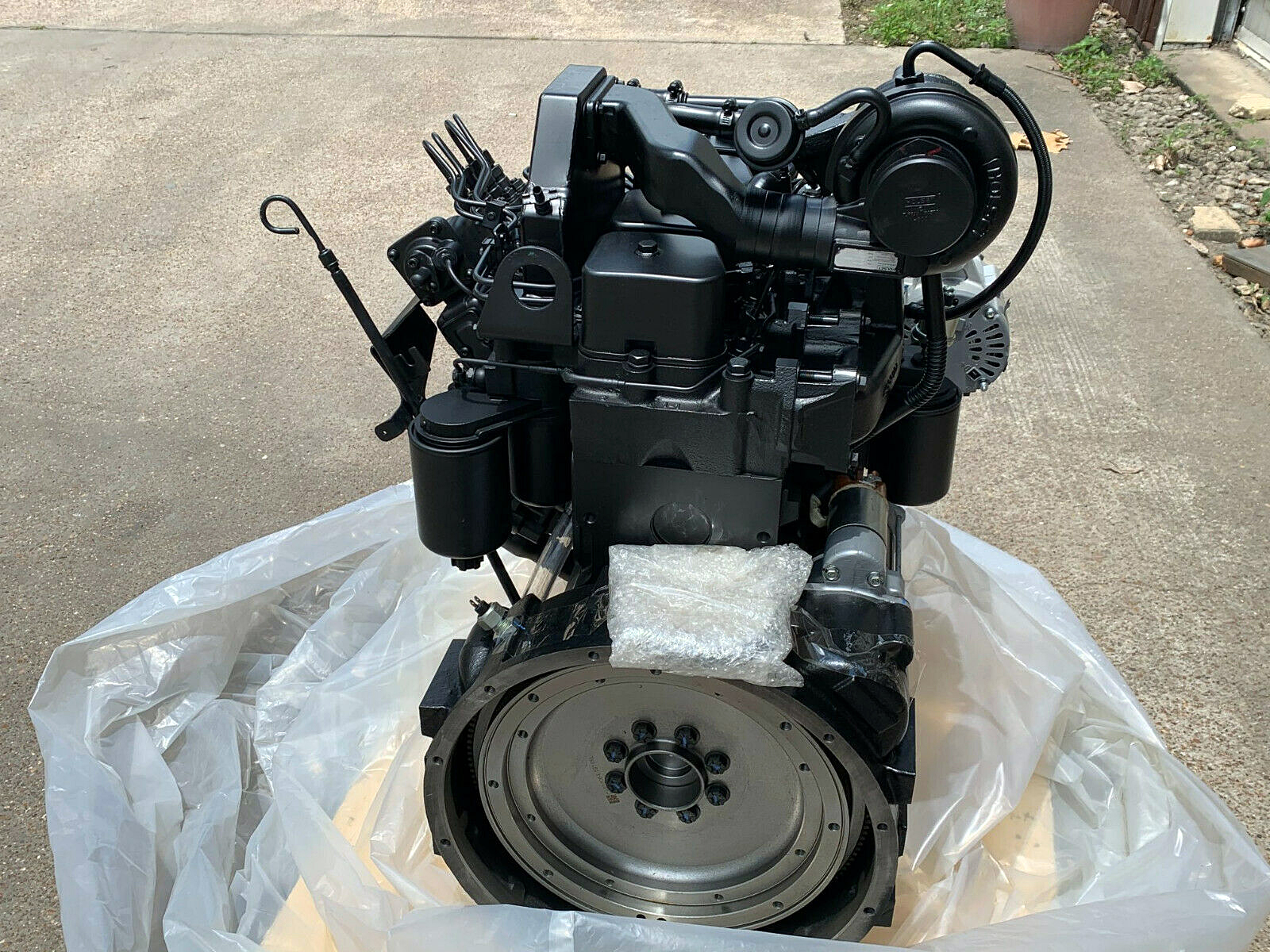
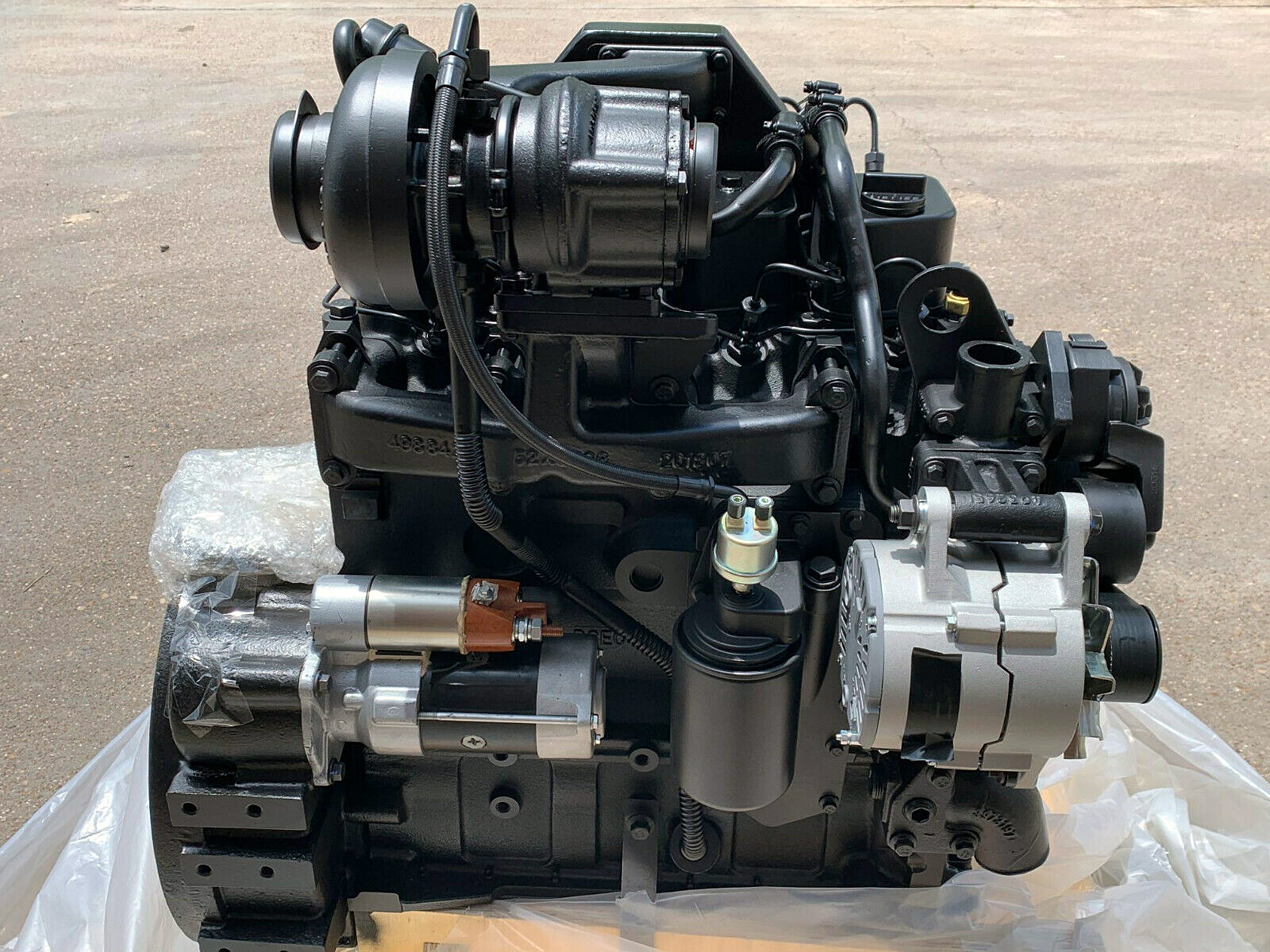
| Engine Model | QSB3.9-C125-30 |
| Rated Power / Speed: | 125 HP @ 2200 RPM |
| Peak Torque: | 480 N.m @ 1600 RPM |
| Type | 6 Cylinders, in Line |
| Fuel System | HPCR |
| Aspiration | Turbocharged & Air-Air Intercooler |
| Displacement | 3.9 L |
| Bore * Stroke | 107 mm * 124 mm |
| Packing Size (L * W * H) | 778mm634mm912mm |
| Lead Time: | 5-15 Working Days |
General Infomation of DCEC QSB3.9-C125-30 Industrial Engine
| General Infomation of DCEC QSB3.9-C125-30 Industrial Engine | |||
| Engine Model | QSB3.9-C125-30 | Bore * Stroke | 107 mm * 124 mm |
| Curve&Datasheet | FR95419 | Displacement | 3.9 L |
| Emission Standard | Euro Stage III | Rated Power | 125 HP @ 2200 RPM |
| No. Of Cylinders | 4 Cylinders | Peak Torque | 480 N.m @1350 RPM |
| Fuel System | HPCR | Configuration | D383070CX03 |
| Aspiration | Turbocharged & Air-Air Intercooler | Packing Size(L * W * H) | N /A |
Performance Data of DCEC QSB3.9-C125-30 Industrial Engine
| Engine Performance Data Rated Power of DCEC QSB3.9-C125-30 Industrial Engine | |||||||
| Rated Power | Torque Peak | Low speed | Rated Power | Torque Peak | Low speed | ||
| Engine Speed | 2200 RPM | 1600 RPM | 800 RPM | Heat loss to coolant | 41.2 kW | 28 kW | 15.6 kW |
| Gross Power Output | 92 kW | 68 kW | 27 kW | Heat Rejection to Coolant | 197 L/min | 105 L/min | 63 L/min |
| Torque | 400 N.m | 480 N.m | 320 N.m | Heat loss to intercooler | 15 kW | 9.5 kW | 1.2 kW |
| The air flow | 132 L/s | 70 L/s | 23 L/s | Turbo Comp. Outlet Pressure | 170 kPa | 113 kPa | 18.2 kPa |
| Charge Air Flow | 10.2 kg | 5.4 kg | 1.78 kg | Turbo Comp. Outlet Temp. | 148 ℃ | 127 ℃ | 60 ℃ |
| Exhaust Gas Flow | 10.55 kg | 5.64 kg | 1.89 kg | The fuel flow | 21.2 kg/hr | 14.4 kg/hr | 6.4 kg/hr |
| Exhaust Gas Temp. | 587 ℃ | 630 ℃ | 544 ℃ | ||||
Advantages of the DCEC QSB3.9-C125-30 Industrial Engine
The DCEC QSB3.9 series electronic industrial engine meets multiple EU emission standards, including Stage III, Stage IV, and Stage V. While the model numbers differ, all versions share the same core engine hardware. Manufacturers achieve compliance with stricter emission levels mainly through after-treatment systems and ECU calibration rather than mechanical changes.
1. Emission Standards & Model Designations
The 30 / 40 / 50 suffixes indicate compliance with EU Stage III, Stage IV, and Stage V, respectively.
All models use the same engine platform. To meet higher emission requirements, engineers apply the following adjustments:
- After-treatment systems: Solutions such as SCR, DOC, or DPF systems are added or upgraded as needed.
- ECU programming: Updated control strategies optimize combustion, emissions, and overall performance.
2. Key Differences Between Emission Stages
- Stage III: Uses relatively simple emission control solutions.
- Stage IV / Stage V: Relies on advanced after-treatment technologies and more precise ECU calibrations to achieve lower NOx and particulate matter limits.
3. Availability & Technical Support
- Unlisted models: Contact the BLSH sales team to obtain detailed specifications or discuss customized configurations.
- Product updates: Follow EMAC’s official website to stay informed about the latest product updates and technical revisions.
4. Why This Matters
- Regulatory compliance: Supports operation in regions with strict emission regulations, including the EU and North America.
- System flexibility: A unified engine platform simplifies installation and maintenance, while adaptable after-treatment systems ensure long-term regulatory compliance.
For specific application requirements, unlisted models, or detailed technical documentation, please contact the BLSH sales or engineering team directly.am for tailored support.