
DCEC Cummins 6LTAA8.9-C295 Industrial Application Engine
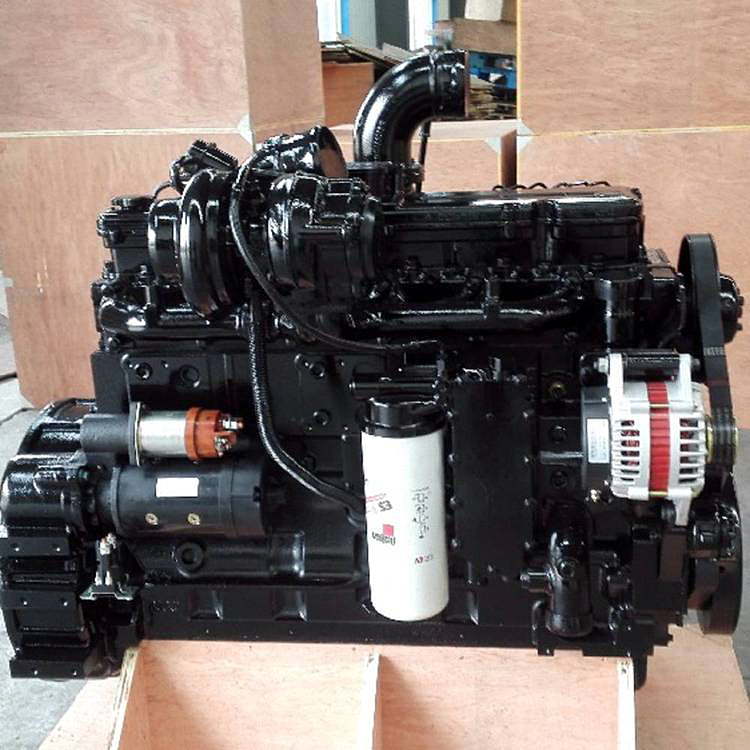
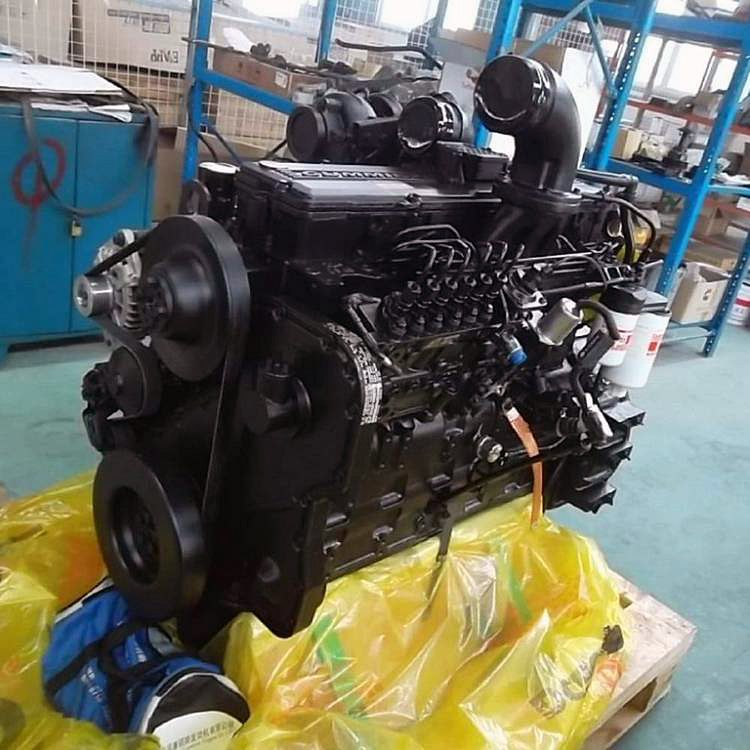
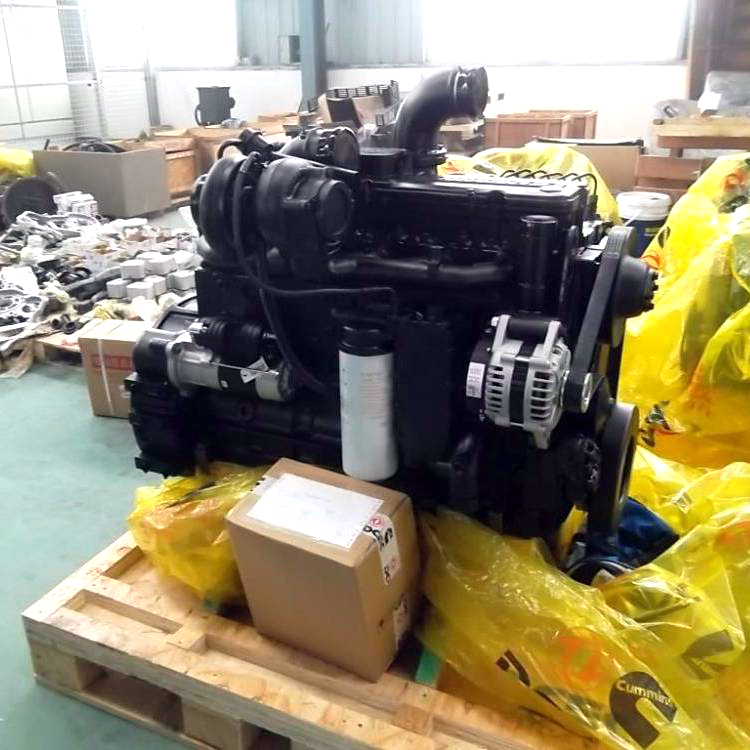
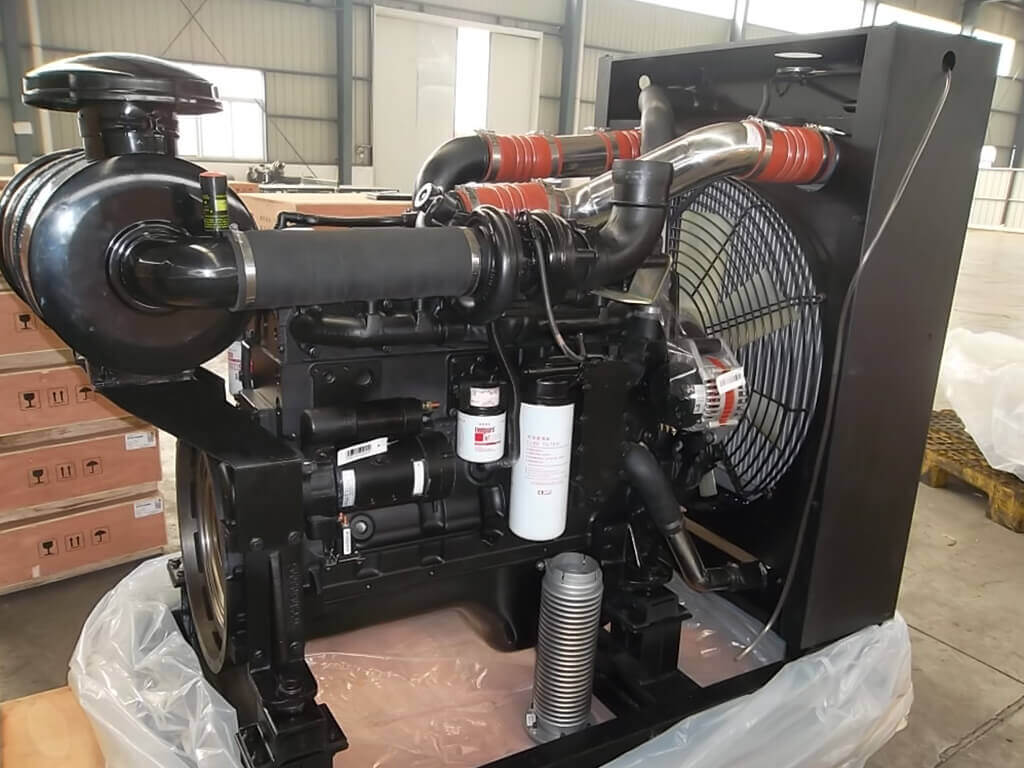
| Engine Model | 6LTAA8.9-C295 |
| Rated Power / Speed: | 295 HP @ 2100 RPM |
| Peak Torque: | 1000 N·m @ 2100 RPM |
| Type | 6 Cylinders, in Line |
| Fuel System | Weifu PW2000 pump RQV_K speed regulator |
| Aspiration | Turbocharged & Air-Air Intercooler |
| Displacement | 8.9 L |
| Bore * Stroke | 114 mm * 145 mm |
| Packing Size (L * W * H) | 778 mm * 634 mm * 912 mm |
| Lead Time: | 5-15 Working Days |
General Infomation of DCEC 6LTAA8.9-C295 Industrial Engine
| General Infomation of DCEC 6LTAA8.9-C295 Industrial Engine | |
| Engine Model | 6LTAA8.9-C295 |
| CPL Code | 2176 |
| Advertised Power | 295 HP @ 2100 RPM |
| Peak Torque | 1000 N·m @ 2100 RPM |
| Fuel System | Weifu PW2000 pump / RQV_K speed regulator |
| Engine Wet Weight | 338 kg |
| Curve No | FR93183 |
| Displacement | 8.9 L |
| Bore * Stroke | 102 mm * 120 mm |
| Aspiration | Turbocharged |
| Cylinders | 6 Cylinders, in Line |
| Rating Type | Continuous |
| Installation Data of DCEC 6LTAA8.9-C295 Industrial Engine | |
| Moment of Inertia of Rotating Components (No Flywheel) | 0.143 kg·m² |
| Center of Gravity from Front Face of Block | 262 mm |
| Center of Gravity Above Crankshaft Centerline | 160 mm |
| Maximum (Static) Bending Moment at Front Support Mounting Surface | 435 N.m |
| Maximum (Static) Bending Moment at Side Pad Mounting Surface | N/A |
| Maximum (Static) Bending Moment at Rear Face of Block | 1356 N.m |
| Moment of Inertia of Complete Engine— Roll Axis | 11.1 kg·m² |
| Moment of Inertia of Complete Engine— Pitch Axis | 19.1 kg·m² |
| Moment of Inertia of Complete Engine— Yaw Axis | 14.7 kg·m² |
Performance Data of DCEC 6LTAA8.9-C295 Industrial Engine
| Engine Performance Data Rated Power of DCEC 6LTAA8.9-C295 Industrial Engine | |||||
| Rated Power | Torque Peak | Rated Power | Torque Peak | ||
| Engine Speed | 2100 RPM | 800 RPM | Exhaust Gas Temperature | 410 °C | 600 °C |
| Gross Power Output | 220 kW | 107 kW | Heat Rejection to Ambient | 10.5 kW | 8 kW |
| Torque | 1000 N.m | 1281 N.m | Heat Rejection to Coolant | 45 kW | 36 kW |
| Intake Manifold Pressure | 55 kPa | 40 kPa | Heat Rejection to Fuel | 0.9 kW | 0.6 kW |
| Friction Horsepower | 11.5 kW | 7.0 kW | Engine Coolant Flow | 3.0 L/s | 2.0 L/s |
| Turbo Comp. Outlet Pressure | 56 kPa | 40 kPa | External Cooling Circuit Resistance | 15.2 kPa | 15.2 kPa |
| Intake Air Flow | 109 Ls | 60 L/s | Altitude Limitations-Intermittent | TBD | TBD |
| Exhaust Gas Flow | 239 L/s | 147 L/s | Altitude Limitations-Continuous | TBD | TBD |
| Turbo Comp. Outlet Temperature | N/A | N/A | Steady State Smoke | TBD | TBD |
Advantages of DCEC 6LTAA8.9-C295 Industrial Engine
The DCEC 6LTAA8.9 series electronic industrial engine supports EU Stage III, Stage IV, and Stage V emission standards. The 30 / 40 / 50 models differ mainly in after-treatment systems and ECU calibration, while all variants share the same mechanical engine platform.
1. Emission Standards & Model Designations
The 30 / 40 / 50 designations represent compliance with EU Stage III, Stage IV, and Stage V, respectively.
All models use an identical engine core. To meet stricter emission requirements, the manufacturer upgrades auxiliary systems instead of altering the engine hardware, including:
- After-treatment systems: Depending on the emission stage, the engine integrates SCR systems, DOCs, and/or DPFs.
- ECU programming: Engineers optimize ECU software to precisely manage fuel injection, combustion behavior, and exhaust emissions.
2. Key Differences Between Emission Stages
- Stage III: Applies basic emission control solutions with limited exhaust after-treatment.
- Stage IV / Stage V: Uses advanced after-treatment technologies (such as SCR and DOC/DPF) combined with refined ECU calibrations to meet stricter NOx and particulate matter limits.
3. Availability & Support
- Unlisted models: Contact the BLSH sales team for detailed technical specifications or customized configurations.
- Product updates: Follow EMAC’s official website to stay informed about the latest product updates and revisions.
4. Why This Matters
- Regulatory compliance: The engine platform supports multiple regional emission regulations, including EU and North American standards.
- Operational flexibility: A unified engine design simplifies equipment integration, while modular after-treatment solutions enable future emission upgrades without changing the base engine.
For specific applications, unlisted models, or detailed technical documentation, please contact BLSH’s sales or engineering team for tailored support.